Finding a transformer supplier is a critical process for any facility or contractor that relies on consistent and efficient power systems. With so many providers in the market, it’s essential to know what factors matter when evaluating your options. From ensuring compliance with industry standards to finding a partner who prioritizes quality and timely service, the stakes are high for making an informed choice.
This guide will walk you through the key criteria to consider so you can choose the right transformer supplier that meets your needs and expectations. By following these steps, you can make an informed decision that supports the safety and efficiency of your electrical infrastructure.
Define Your Needs for a Transformer
Before you can begin your search for a supplier, you must first have a clear and detailed understanding of your requirements. Precise specifications will help potential suppliers provide accurate quotes and recommend the most suitable equipment for your application.
Transformer Type
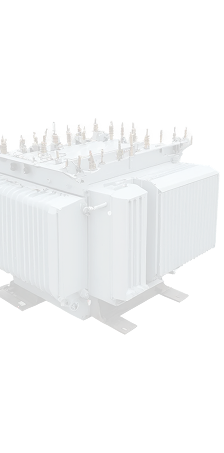
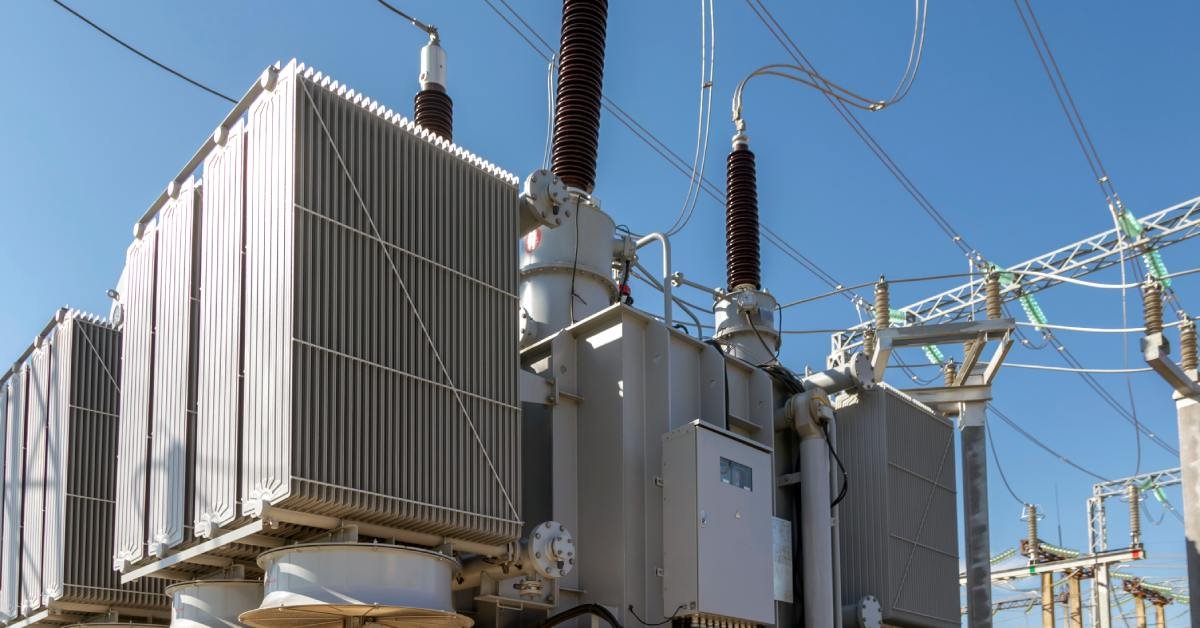
Selecting the appropriate transformer type is crucial to prevent compatibility issues, as different applications demand specific designs. Common types include power transformers for large-capacity power loads, distribution transformers for stepping down voltage for homes and businesses, and liquid-filled transformers suitable for high voltage or outdoor use. These types are not interchangeable, and using the wrong one can lead to decreased efficiency, financial loss, or safety hazards.
Power Requirements
Voltage levels and capacity ratings determine transformer compatibility with your electrical system. Primary and secondary voltage specifications should match the power supply and service requirements, while kVA capacity ratings should accommodate both current loads and anticipated future expansion.
Transformer Manufacturer
Brand reputation and manufacturing standards significantly impact transformer reliability and performance. Established manufacturers typically offer better parts availability, after-sales support, and technical documentation that simplifies installation and maintenance procedures.
Environmental Conditions
The operating environment affects transformer selection and influences which suppliers can meet your needs. Indoor installations have different requirements than outdoor units, while harsh environments may require specialized protective features or enhanced cooling systems. Altitude, ambient temperature, and humidity levels all affect transformer operation and may require special design considerations.
Compare Different Suppliers’ Product Ranges
Product diversity indicates a supplier’s capability to handle various project requirements and suggests technical expertise across multiple transformer types. Suppliers with comprehensive catalogs often provide better technical support and can recommend optimal solutions for complex applications.
Examine each supplier’s inventory depth within your required transformer category. Consider the availability of new, refurbished, and used transformers, as this variety allows for a broader selection to suit different budgets and requirements. A supplier that offers all three options provides greater flexibility in selecting the most appropriate and economical solution for your operations.
Assess Transformer Customization Options
Custom transformer solutions address unique application requirements that standard units cannot accommodate. Suppliers offering customization services demonstrate technical capabilities and manufacturing flexibility that benefit complex projects.
Evaluate the extent of customization each supplier provides, from simple modifications to complete custom designs. Some suppliers offer limited modifications, such as custom mounting configurations, while others can modify electrical specifications, enclosure materials, or cooling systems. The supplier’s customization capabilities should align with your project timeline. Complex modifications typically require longer manufacturing periods, which may impact your project schedule and budget considerations.
Ensure the Supplier Is Certified
Industry certifications validate a supplier’s commitment to quality standards and regulatory compliance. These credentials provide assurance that transformers meet safety requirements and performance standards essential for reliable operation.
Look for suppliers who maintain ISO certifications and comply with relevant industry standards such as IEEE and ANSI specifications. These certifications indicate systematic, documented equipment audits and quality management processes that reduce the risk of receiving substandard equipment. Verify a supplier’s certification validity through issuing organizations, as expired or invalid certifications indicate potential quality concerns.
Consider Customer Service and Technical Support
Responsive customer service and knowledgeable technical support distinguish superior suppliers from basic equipment vendors. These services prove invaluable during project planning, installation, and ongoing maintenance phases. Quick access to technical expertise can prevent costly delays when questions arise during installation or commissioning.
Consider the supplier’s support capabilities for ongoing maintenance and future service requirements. Technical support quality often correlates with supplier expertise and product knowledge. Suppliers who provide comprehensive support throughout the transformer’s lifecycle offer additional value beyond the initial purchase.
Research Reputation and Reviews
Examining online reviews and industry reputation offers valuable insights into a supplier’s reliability and customer satisfaction. To gain a well-rounded perspective, explore multiple review platforms and industry networks for feedback on potential suppliers.
Focus on recurring themes in customer comments, whether positive or negative, as these can highlight consistent strengths or areas of concern. Give greater attention to recent reviews, as they better reflect the supplier’s current capabilities and service quality, which may have evolved over time.
Professional references from similar projects provide valuable perspectives on supplier performance under comparable conditions. Contact references directly to discuss their experiences with delivery schedules, product quality, and problem resolution.
Evaluate Their Delivery Capabilities
Delivery reliability affects project schedules and overall success, making supplier logistics capabilities a crucial selection factor. Understanding delivery processes and capabilities prevents delays that can impact connected projects and increase costs.
Consider the supplier’s geographic coverage and proximity to your project location. Local suppliers may offer faster delivery times and lower transportation costs, while national transformer distributors might provide broader product availability and competitive pricing through volume economies.
In addition to delivery speed, consider the supplier’s shipping methods and tracking capabilities. The ability to access real-time updates on shipment status or expedited shipping if needed can ensure timely and transparent delivery.
Consider the Value of a Formal Quote
Formal quotes provide detailed pricing information and establish clear terms and conditions for your transformer purchase. Comprehensive quotes should include all associated costs, such as transportation, insurance, and any required accessories or installation materials.
Request quotes that include these costs, as well as shipping, taxes, and any additional fees. Compare payment terms, warranty coverage, and delivery schedules alongside pricing to determine true value. Clear documentation prevents misunderstandings and provides a basis for comparing different suppliers objectively. Suppliers who provide precise, complete quotations typically demonstrate similar care in order processing and product delivery.
Making Your Final Decision
Selecting the right transformer supplier requires balancing multiple factors, including technical capabilities, service quality, and cost considerations. Take time to verify supplier credentials and speak with references from similar projects. A thorough evaluation process ensures your selected supplier can meet your requirements and provide reliable service throughout your transformer’s operational life.
J&J Transformers is a national supplier of a wide range of new, refurbished, and used transformers for demanding industrial operations. Fill out an online contact form today to sell or purchase transformers to support your electrical infrastructure.