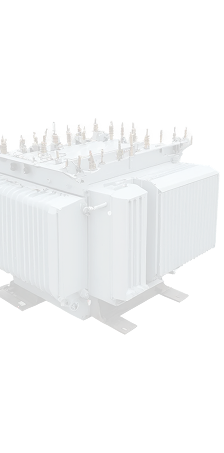
Transformers are extreme investments in electrical infrastructure. The units require temporary storage from time to time. Whether storage is necessary for general maintenance, facility upgrades, or sudden replacements, the way you handle this process directly impacts the units’ longevity and performance.
Poor storage practices can lead to moisture intrusion, insulation deterioration, and mechanical damage that may render expensive equipment unusable. The following tips for keeping your transformers in storage will prevent damage and maintain their operational value.
Choose a Controlled Storage Environment
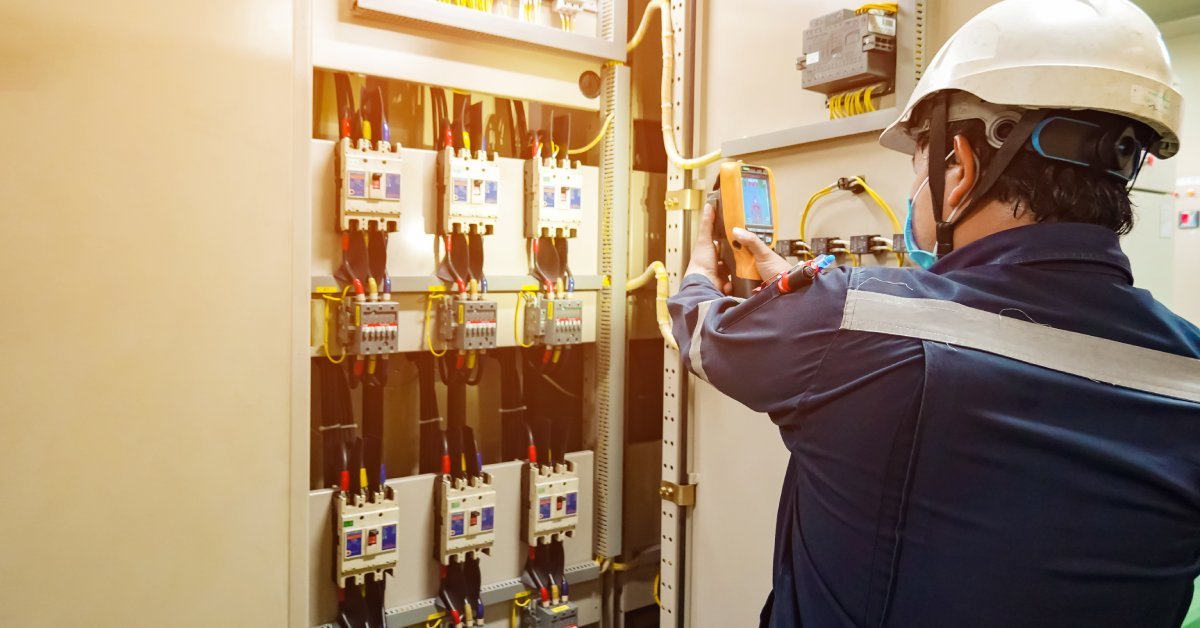
Temperature control is the foundation of effective transformer storage. Fluctuating temperatures cause expansion and contraction cycles that stress internal components and seals. Store transformers in climate-controlled environments whenever possible, maintaining temperatures between 40 and 85 degrees Fahrenheit.
Humidity poses an even greater threat than temperature variations. Excessive moisture infiltrates transformer windings and causes insulation breakdown over time. Maintain relative humidity levels below 60 percent in storage areas.
Outdoor Storage Considerations
Indoor storage facilities provide the best protection against environmental factors. However, some operations don’t have indoor storage readily available.
If you must store items outdoors, use weatherproof covers with adequate ventilation. Airflow prevents condensation that contributes to moisture buildup and the corrosion of vital components. Tightly secure all access points, such as seals and bushings, to keep out dirt, debris, and moisture.
Next, consider the transformers’ placement. Store them on stable, level ground away from areas prone to flooding or heavy industrial activity. This approach will minimize the likelihood of damage when the transformers aren’t in use.
Protect Against Moisture Infiltration
Moisture ranks as the primary enemy of stored transformers. Water contamination degrades insulation properties and accelerates corrosion of internal metal components. Seal all openings, including bushings, tank vents, and inspection ports, using appropriate gaskets and plugs.
Install desiccant breathers on transformers equipped with conservator tanks. These devices absorb moisture from incoming air during temperature-related oil expansion and contraction cycles. Replace desiccant materials according to manufacturer recommendations or when color indicators show saturation.
Monitor moisture levels in transformer oil through regular testing. Oil samples should show moisture content below 20 parts per million for most power transformers. High moisture levels require oil processing or replacement before the transformer returns to service.
Maintain Oil Quality During Storage
Transformer oil serves multiple functions, including insulation, cooling, and corrosion protection. Oil quality deteriorates during storage due to oxidation, contamination, and thermal stress. Regular oil analysis identifies developing problems before they incur permanent damage.
Test oil samples every six months during extended storage periods. Key parameters include dielectric strength, moisture content, acidity levels, and dissolved gas concentrations. Trending these values over time reveals oil condition changes and maintenance needs.
Consider oil reclamation services for transformers with degraded oil quality. Professional oil processing removes moisture, gases, and contaminants while restoring dielectric properties.
Position Transformers for Stability
Physical positioning affects both safety and equipment preservation during storage. Place transformers on level, stable surfaces capable of supporting their full weight. Concrete pads or structural steel platforms provide ideal foundations for heavy units.
Avoid storing transformers in areas subject to vibration from nearby equipment or vehicle traffic. Constant vibration loosens connections and damages internal components. Position units away from high-traffic areas to reduce accidental damage risks.
Maintain adequate clearance around stored transformers for inspection access and ventilation. This spacing prevents moisture accumulation and allows for routine maintenance activities without moving other equipment.
Implement Regular Inspection Protocols
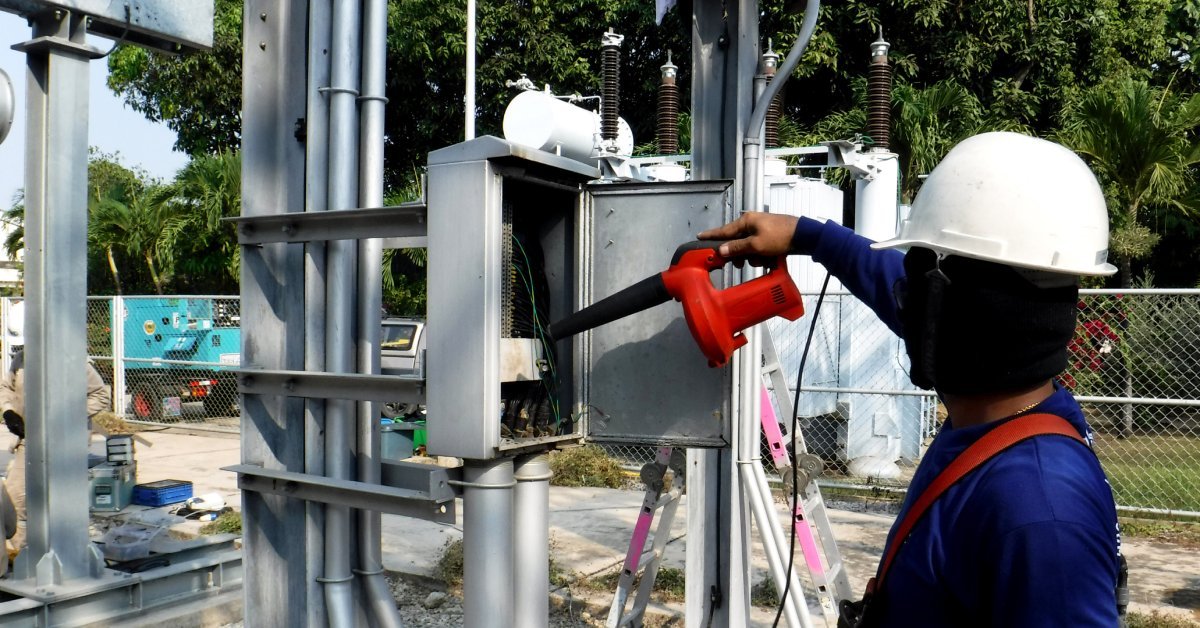
Scheduled inspections catch problems early and prevent minor issues from becoming major failures. Establish monthly inspection routines that examine external conditions, oil levels, and environmental factors affecting stored transformers.
Document inspection findings in maintenance logs. Note any changes in oil color, unusual odors, or signs of moisture infiltration. Photographic documentation helps track condition changes over time and supports warranty claims if issues develop.
Check all protective covers and seals during inspections. Replace damaged gaskets immediately to maintain moisture barriers. Verify that the desiccant breathers function properly, and replace saturated materials promptly.
Control Access and Security
Transformers contain copper windings and high-grade oil. These valuable components are targets for theft.
Implement security measures appropriate to the value and location of stored equipment. Fenced storage areas with controlled access deter unauthorized entry. Install security lighting, surveillance systems, and motion-activated lighting for enhanced security at all hours.
Additionally, maintain accurate inventory records of all stored transformers. The information should include serial numbers, condition assessments, and maintenance histories. The records will support insurance claims and track equipment through storage and deployment cycles.
Rotate the Equipment
Extended storage periods increase the risk of component deterioration and operational issues when transformers return to service. Establish rotation schedules that cycle stored equipment back into active use periodically. Document storage durations and plan reconditioning activities for units approaching manufacturer-recommended storage limits.
Consider partial energization testing for transformers stored longer than two years. The tests verify electrical integrity and identify insulation problems that may have developed during storage.
Prepare for Transformer Storage
Successful storage programs include detailed procedures for returning transformers to active service. Pre-energization testing verifies that stored equipment meets operational requirements and safety standards. The test should include insulation resistance measurements, turns ratio verification, and oil quality analysis.
Schedule reconditioning activities based on storage duration and inspection findings. Units stored for extended periods may require oil processing, gasket replacement, or other maintenance before returning to service.
If the storage conditions are a concern, have dehumidifiers or desiccants on hand to mitigate moisture-related risks. Regularly inspect storage spaces for signs of corrosion, pest activity, or other potential hazards. Proactive environmental management extends the reliability and lifespan of transformers during storage.
Contact J&J Transformers for Support
Following these tips for keeping your transformers in storage will work for most pieces of equipment. However, when you need professional assistance with transformer storage, refurbishment, or recycling, be sure to contact J&J Transformers.
We are a transformer recycling company that prioritizes a circular economy. Through sustainable practices, we provide comprehensive solutions for utilities and industrial facilities to maximize equipment value. From refreshing old equipment to recycling worn-down pieces, J&J Transformers will provide assistance that keeps your electrical infrastructure ready for deployment.