Inspecting Used Industrial Transformers is not just a technical formality—it’s an essential process to ensure performance, reliability, and safety. Whether you’re purchasing for reuse, resell, or industrial recycling, mistakes in the inspection process can cost thousands of dollars, cause unexpected downtime, or even lead to hazardous failures. In this guide, we’ll walk through the common testing errors technicians make and show you how to avoid them during transformer inspection.
1. Skipping Visual Inspection: A Basic But Critical Step
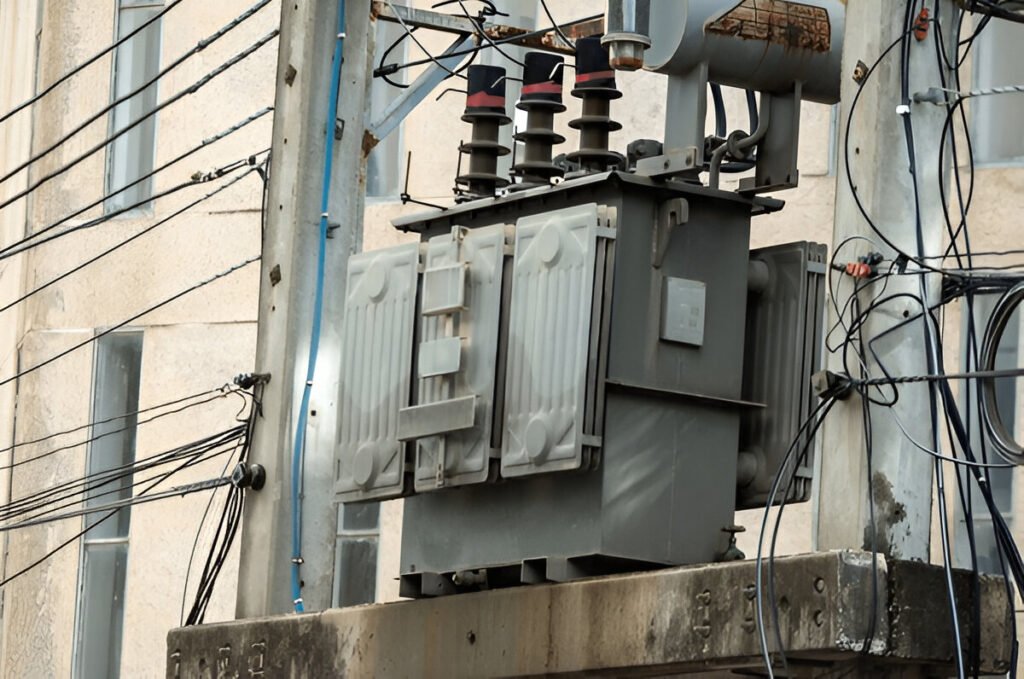
It may seem obvious, but visual inspection is often rushed or completely overlooked. This first step can reveal rust, oil leakage, damaged bushings, or tampered nameplates.
Technicians often focus too heavily on electrical testing and ignore physical indicators. Always check:
- Paint corrosion or surface damage
- Oil discoloration or leakage
- Dents or signs of overheating
If you’re evaluating used industrial transformers for resale or scrap transformer value, these signs can quickly indicate hidden issues.
2. Ignoring Oil Quality Tests
Transformer oil is vital for cooling and insulation. If you skip oil analysis, you risk overlooking moisture contamination, acidity, and dielectric breakdown.
Common mistake: Some assume clean oil means good oil. In reality, aged oil might look fine but be chemically degraded.
Use DGA (Dissolved Gas Analysis) and moisture content testing. If the transformer is headed for transformer dismantling, degraded oil is also a key pricing factor.
3. Inaccurate Insulation Resistance Testing
Insulation resistance is one of the most important electrical tests for a transformer. Unfortunately, many technicians make errors like:
- Testing in humid conditions
- Using incorrect voltage range
- Not allowing enough time for charge buildup
Using a megohmmeter under controlled environmental conditions is essential. This becomes even more important when the transformer is evaluated for scrap metal industry reuse or resale in the industrial equipment recycling sector.
4. Not Verifying Tap Changer Functionality
Tap changers adjust voltage levels and are prone to wear, carbon buildup, and contact pitting. If you’re buying used industrial transformers, never skip functional tests of the tap changer.
Tip: Check contact resistance and mechanical operation. A faulty tap changer can lead to under- or over-voltage, affecting everything downstream.
5. Overlooking Winding Resistance Measurements
Incorrectly measured winding resistance can signal bad joints or broken conductors. However, this test is often skipped due to time constraints.
Avoid common mistakes like:
- Testing too soon after shutdown (hot windings = incorrect values)
- Not balancing temperature before testing
- Using low-resolution meters
If you’re preparing equipment for scrap equipment buyers, these readings also influence the evaluation.
6. Assuming Core Grounding Is Always Intact
In some used units, core grounding may be missing or poorly done—often due to previous mishandling or industrial dismantling. This can lead to dangerous stray currents and core overheating.
Check for:
- Loose grounding bolts
- Insulation failure
- Unexpected continuity readings
If you’re targeting the metal scrap buyers in USA, these internal errors can lower transformer value and increase handling risks.
7. Misinterpreting Turns Ratio Test Results
The turns ratio tells you whether the transformer windings match their design. In many inspections, even if TTR test results are within limits, technicians fail to correlate them with nameplate values.
Error tip: Don’t ignore minor ratio imbalances—they can indicate winding damage, especially in older used industrial transformers.
8. Testing with Inadequate Load Simulation
Transformers must be tested under a simulated load to identify performance issues like overheating or voltage sag. Yet many buyers skip this because it’s time-consuming or requires additional equipment.
In cases where transformers are prepped for industrial scrap metal, load simulation tests also help estimate scrap performance and cooling issues.
9. Skipping Neutral and Ground Continuity Checks
Proper grounding protects both the transformer and its surroundings. During inspection, technicians often forget to verify the integrity of neutral-to-ground bonding.
Problem: A broken bond might not trigger an alarm until a serious fault occurs.
Always ensure continuity in the ground circuit, especially when repurposing for industrial scrap metal recycling or repowering setups.
10. Ignoring Historical Load Records and Age
While technical testing is key, used industrial transformers must also be evaluated based on their service history. A 5-year-old unit that ran on full load daily might be more fatigued than a 15-year-old used only occasionally.
If no history is available, be cautious—even if tests appear clean. This matters greatly for industrial recycling and resell scenarios.
Final Thoughts: Quality Inspection Saves Money
The cost of testing and inspection is always lower than the price of replacement, repair, or failed resale. Whether you are a scrap buyers USA business, a power utility firm, or an industrial disposal company, proper testing is essential.
And remember—when in doubt, consult a specialist before finalizing your transformer purchase or sale.