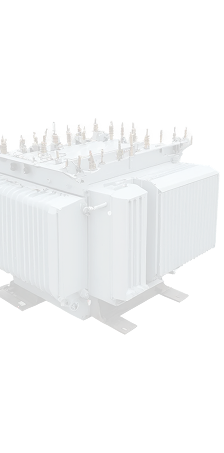
Power transformers are at the core of electrical grids and industrial power systems. Any unfamiliar or unusually loud noise suggests a condition that merits attention to prevent systems from malfunctioning.
Most transformers produce some operational noise, like a hum. The sound results from the transformer’s core and windings vibrating, mainly due to magnetostriction. However, a shift in the noise’s pitch, volume, or character often points to an emerging issue.
Knowing the reasons your power transformer is making noise enables you to diagnose problems early and conduct safe operations. In this guide, you’ll find straightforward explanations for the most common sources of transformer noise to manage electrical infrastructure effectively.
The Science Behind Transformer Hum: Magnetostriction
Magnetostriction explains the familiar hum you hear from a working transformer. When alternating current (AC) runs through a transformer’s primary windings, it produces a constantly changing magnetic field in the steel core. The magnetic field causes the steel laminations to expand and contract minutely with every electrical cycle.
Rapid, small-scale dimensional changes lead to vibrations. The energy transfers from the core to the transformer tank and nearby structures, generating the audible hum. The main frequency of this hum is typically twice that of the AC power supply, like a 120 Hz hum in a 60 Hz system.
Harmonics may layer additional sound components on top of this fundamental frequency. The continuous hum usually stays at a consistent volume but may become louder as the transformer ages or operates at higher loads. Any increase in intensity or new noises, like buzzing, crackling, or banging, should prompt further investigation.

Common Causes of Abnormal Transformer Noise
Unexpected sounds from a transformer generally indicate a mechanical or electrical issue. Pinpointing the exact source of the noise helps streamline repairs and reduce the risk of further damage. Here are some specific causes of abnormal transformer noise and what they typically sound like.
1. Core Vibration and Loosening
A transformer’s core consists of thin steel sheets, or laminations, pressed tightly together by clamps and bolts. Over time, ongoing magnetostriction puts stress on these fasteners. If core clamps or bolts loosen, laminations can start to vibrate excessively, bumping into each other and making the hum louder or even producing a rattling sound.
You’re more likely to see this in older units or those that have experienced frequent load fluctuations or electrical faults. To address this, conduct an internal inspection to confirm if core bolts or clamps are loose. Regularly tightening or replacing these structures can minimize extra vibration and extend the core’s lifespan.
2. Winding Vibrations
Windings inside the transformer, which carry the electrical load, undergo mechanical forces whenever current interacts with the magnetic field. Sturdy support structures hold windings in place. If these supports become weak or break—due to heat, physical impact, or short-circuit events—the windings can vibrate too much.
When winding supports fail, you might hear a pronounced hum or buzz that gets louder as the electrical load increases. Persistently loose windings can wear down insulation and eventually cause major system failure. Early detection through visual inspection or advanced electrical testing helps prevent major repairs.
3. Issues With Cooling Fans and Pumps
Large transformers often rely on fans and pumps to cool their internal components. Normally, these parts produce a predictable sound level. If you start hearing unusual noises, like a high-pitched squeal from a worn fan bearing or a grinding noise from a failing pump, take action.
Increased noise could also mean blockages in radiators or pipes are forcing pumps to work harder. Routine maintenance—such as checking fan motors, oil pumps, and coolant flow—keeps the cooling system quiet.
4. Overloading and High Temperatures
When transformers regularly operate above their rated loads, internal temperatures climb. As the oil, windings, and solid insulation heat up, they expand and place extra stress on internal components. This can amplify standard vibration and noise levels.
A transformer hum that becomes noticeably louder during periods of peak demand may be reacting to overload. Keep a close eye on temperature readouts and load indicators to verify if this is the cause. If overloaded conditions persist, reallocate system loads or upgrade transformer capacity to reduce thermal and mechanical stress.
5. Partial Discharge and Insulation Problems
Partial discharge is a rapid, localized release of electrical energy that doesn’t completely bridge conductors or insulation. It commonly occurs in minute voids or bubbles within insulation or oil. These events generate distinct popping, hissing, or crackling sounds, which are notably different than the equipment’s standard hum.
Partial discharge signals deteriorating insulation, which can lead to eventual breakdown. Detecting these problems requires specialized testing—like dissolved gas analysis (DGA), sweep frequency response analysis (SFRA), or acoustic methods—to identify and locate the discharge accurately.
6. External Components and Structural Resonance
Sometimes, transformer noise issues can stem from external hardware, such as busbars and mounting frames, rather than the transformer itself. If these components share a resonant frequency with the transformer’s vibration, they may amplify the noise.
Carefully inspect all attached components for loose connections, which can act as soundboards and worsen the noise. Securing bolts and nuts, adding vibration dampers, or changing the support structure can resolve various resonance issues.

Investigating and Addressing Transformer Noise
Encountering unfamiliar transformer noise calls for a step-by-step approach. Start by characterizing the sound: Is it a steady hum, sharp buzz, crackle, or mechanical bang? Record when the noise happens and whether it changes with transformer load or temperature.
Conduct a visual inspection for obvious external problems, including loose hardware, blocked cooling fans, and deteriorating support structures. Use temperature and load measurements to see if the transformer stays within design limits. For less visible problems, like internal loose windings or insulation breakdown, deploy advanced diagnostic methods, such as DGA, SFRA, and acoustic partial discharge location.
Understanding the reasons your power transformer is making noise helps maintain quieter, more reliable operation. Stay alert to abnormal sounds and act promptly.
Whenever issues arise, contact J&J Transformers for a power transformer repair service. We will conduct a free inspection to assess the problem before handling the repair. From minor complications to major breakdowns, trust J&J Transformers to fix the problem and get your operations back up and running.