How the Transformer for Sale Market Has Evolved to Meet Modern Demands
Transformers are integral to the electrical infrastructure that powers everything from homes and businesses to industrial plants and entire cities. They are responsible for stepping up or stepping down voltage to ensure the safe transmission of electricity. However, the technology behind transformers has evolved significantly over the years, driven by advancements in materials, engineering, and the increasing demands of modern power systems.
In this post, we will take a look at the major milestones in transformer technology, explore how these advancements have shaped the transformer for sale market, and discuss what this evolution means for both buyers and industries looking to upgrade their power systems.
The Early Days of Transformer Technology
The first electrical transformer was developed in the late 19th century by pioneers like Michael Faraday and Lucien Gaulard. These early designs were quite simple—mostly used in low-voltage applications—but they set the stage for the development of larger, more efficient transformers.
The First Commercial Transformers
The first practical transformer for sale was introduced by William Stanley in the 1880s, and by the early 1900s, transformers were used extensively in power distribution networks. The core of these early transformers was typically made of iron, which was a significant advancement compared to earlier designs.
These early units were mostly large, heavy, and lacked the advanced safety features we see today. However, they were still instrumental in the widespread adoption of electrical power for homes and factories.
The Mid-20th Century: The Rise of Oil-Filled Transformers
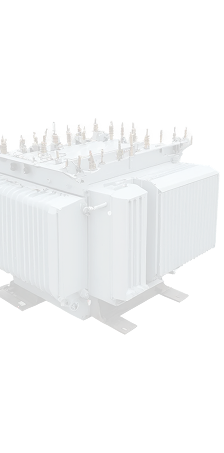
By the mid-20th century, transformer technology began to see rapid improvements. Oil-filled transformers, which were introduced in the 1920s, became the industry standard. These transformers used mineral oil to insulate and cool the internal components.
Key Improvements:
- Better insulation: The oil served not only as an insulator but also as a coolant to prevent overheating.
- Smaller and more efficient designs: With improved materials and designs, transformers became more compact, allowing them to be more widely used.
- Enhanced durability: Oil-filled transformers were more durable and required less maintenance than previous designs, making them more attractive to businesses looking for long-term solutions.
As the transformer for sale market expanded, these oil-filled units became more commonly available and were deployed in both urban and industrial settings.
The 1980s: The Shift to Dry-Type Transformers
During the 1980s, there was a shift in transformer technology toward dry-type transformers. These units use air or other gases as insulation and cooling agents, rather than oil. Dry-type transformers became particularly popular in settings where fire safety was a concern, such as in commercial buildings and urban environments.
Benefits of Dry-Type Transformers:
- Safer for indoor use: Because they didn’t rely on oil, dry-type transformers were less of a fire hazard.
- Lower maintenance: With no oil to change or monitor, these transformers required less maintenance over their lifespan.
- Compact design: These transformers could be made smaller and lighter, making them easier to install in tight spaces.
As a result, dry-type transformers became a more popular choice, especially in areas where fire safety regulations were strict.
The 21st Century: The Advent of Smart Transformers
In the 2000s, the introduction of smart transformers marked a new era in transformer technology. These advanced units are equipped with sensors, communication systems, and built-in monitoring systems that allow for remote operation and diagnostics.
Key Features of Smart Transformers:
- Real-time monitoring: Smart transformers provide data on parameters such as load, voltage, temperature, and oil condition, which allows for predictive maintenance and the early detection of faults.
- Remote control: Operators can manage these transformers remotely, improving operational efficiency and reducing the need for on-site inspections.
- Integration with the smart grid: Smart transformers can communicate with the broader electrical grid, allowing for more efficient and flexible power distribution.
The rise of smart transformers has made it easier for utilities and industries to monitor the performance of their systems, reduce downtime, and optimize energy use. Today, transformers for sale often include these smart technologies, offering more value and capability than traditional models.
The Eco-Friendly Revolution: Sustainable Transformer Technology
In the past decade, the focus has shifted toward sustainability. With growing concerns about climate change and environmental responsibility, manufacturers have been working on producing eco-friendly transformers that minimize their environmental impact.
Key Innovations in Eco-Friendly Transformers:
- Natural ester fluids: These biodegradable, plant-based fluids are being used to replace mineral oil, which is hazardous to the environment if spilled.
- Amorphous steel cores: These cores reduce energy losses by as much as 70%, increasing the energy efficiency of the transformer and reducing its carbon footprint.
- Low-emission designs: Modern transformers are being designed to minimize noise and electromagnetic interference, improving the overall environmental footprint.
As industries and governments increasingly emphasize sustainability, surplus transformers are being recycled and repurposed, and new transformers are being built with eco-friendly materials.
The Current Market: What to Look for in a Transformer for Sale
Today’s transformer for sale market is incredibly diverse, offering a wide range of options suited for various needs and applications. Whether you’re looking for a traditional oil-filled transformer, a dry-type model for indoor use, or a smart transformer for advanced monitoring, the options are plentiful.
What to Consider When Purchasing a Transformer:
- Application: Determine whether the transformer will be used in a residential, commercial, or industrial setting. This will help you decide between different types such as used transformers, dry-type, or oil-filled.
- Efficiency: Look for transformers with low losses and high efficiency. Top transformers in the market are designed to minimize energy waste and reduce operating costs.
- Sustainability: Consider transformers made from environmentally friendly materials or those that can be easily recycled at the end of their life cycle.
- Smart capabilities: If you’re investing in new infrastructure, consider smart transformers with remote monitoring and predictive maintenance features.
At JJ Transformers, we offer a wide range of transformers for sale with different configurations, including eco-friendly and smart models, that are built to meet modern energy demands.
Final Thoughts
The evolution of transformer technology has come a long way from its humble beginnings, with significant advancements in efficiency, safety, and intelligence. Whether you’re looking to upgrade your existing equipment or purchase a transformer for sale, today’s market offers a variety of options to meet your specific needs.
As the transformer for sale market continues to evolve, it’s crucial to stay informed about the latest innovations. Investing in the right transformer can improve the efficiency, safety, and environmental performance of your energy systems.
Looking for the right transformer for your needs?
Explore our extensive range of transformers for sale or contact us today for expert guidance on finding the perfect solution for your energy infrastructure.