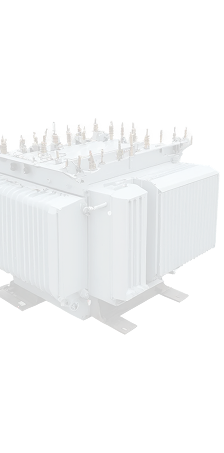
Transformers support the transfer of electrical power for industrial and commercial operations. The type of winding material inside each transformer has a real impact on performance. Characteristics like conductivity, thermal resilience, and mechanical strength make a substantial difference in how well a transformer serves its purpose.
To choose the best option for your operation, it is important to understand how aluminum and copper windings differ. By learning about these characteristics, facility managers, engineering teams, and maintenance professionals can make educated choices that serve the needs of power plants, steel mills, oil and gas facilities, and more.
What Are Winding Materials?
Every transformer contains windings or coils of conductive metal wire precisely wound around a core. As electric current flows through each coil, the transformer efficiently changes voltage for downstream use. The decision to use copper or aluminum for these windings dramatically affects a transformer’s everyday functions and long-term reliability.

Key Properties of Copper Windings
For generations, copper has been the preferred material for transformer windings thanks to its outstanding electrical conductivity. Its exceptional conductivity translates into less energy lost as heat, producing consistently high transformer efficiency and, for end users, lower operational costs over time. In settings where power interruptions or energy waste must be minimized, copper’s advantages shine through.
Copper also boasts high tensile strength, meaning it tolerates both the everyday and extreme mechanical stresses that transformers endure. From the repeated expansion and contraction of daily thermal cycles to the sudden force of a short circuit, copper windings maintain integrity and resist deformation. Its strength also lowers the risk of accidental damage during the winding process itself, streamlining both new manufacturing and future repairs. Resistance to oxidation gives copper connections an extra benefit, preserving electrical performance throughout years of demanding service. When considering the total package, copper brings a compelling mix of reliability and performance to any industrial transformer.
Key Properties of Aluminum Windings
Aluminum, on the other hand, is favorable because of its lightweight nature and lower upfront cost compared to copper. Pound for pound, aluminum can deliver the same electrical resistance as copper while weighing about half as much, making transport, installation, and handling far easier for engineers and contractors.
Less structural support is necessary at the installation site, which is particularly helpful on tight access jobs. In remote or temporary installations—such as on oil fields and during scheduled plant upgrades—aluminum’s portability is a practical advantage.
However, aluminum does not match copper’s conductivity. To deliver the same level of electrical performance, an aluminum winding must feature a large cross-sectional area. This increases the transformer’s overall size and can influence layout decisions, especially if space is at a premium in a busy substation or control room.
Aluminum’s softness and higher thermal expansion rate require careful attention during both manufacturing and maintenance. When not handled with care, aluminum windings may be more prone to nicks or surface damage, which could affect service life. Manufacturers use specialized installation and joining techniques to address connection integrity for aluminum units. These practices keep transformers functioning reliably as they expand and contract with daily operations.
Comparing Performance and Application
When it comes to choosing between aluminum and copper windings, it’s necessary to balance considerations like efficiency, mechanical strength, installation concerns, and the financial realities of your operation.
Electrical Conductivity and Efficiency
Copper still leads when it comes to pure electrical performance. Because of its high conductivity, copper windings naturally offer low losses in the form of heat. This results in greater energy efficiency for your facility. In transformers that run continuously or in applications where reducing energy loss is critical, using copper windings can result in substantial savings over several years of operation.
Transformers with aluminum windings compensate for lower conductivity by using thicker wire; this achieves comparable performance in most industrial applications, though at the cost of an increase in physical size and weight. While the initial savings on materials make aluminum appealing at the point of purchase, the long-term difference in efficiency merits a careful cost analysis. Companies weighing their options should look beyond upfront price and consider expected energy bills, maintenance requirements, and transformer utilization patterns over time.
Mechanical Strength and Durability
Transformer windings face more than electrical loads. They must also endure vibrations, frequent thermal cycles, and occasional mechanical shocks. Copper’s natural hardness and tensile strength make it suitable for harsh conditions. Day after day, copper withstands expanding and contracting, and its rigidity minimizes movement at electrical connections. These features are key to preserving safe, secure contacts throughout a transformer’s service life.
Aluminum is soft, and it expands more as temperatures change. While these traits call for thoughtful engineering, advanced manufacturing methods allow aluminum-wound transformers to deliver reliable performance in challenging environments.
Size, Weight, and Installation
The size and weight of a transformer influence its delivery, placement, and even long-term service options. Given the same kVA rating, an aluminum-wound transformer generally requires more space and weighs less than its copper counterpart. For some projects, the lightweight feature streamlines crane operations and eases transportation to challenging locations, which can improve project timelines and safety outcomes.
However, transformers with aluminum windings take up more floor space, which may be a concern if equipment rooms or substation footprints are constrained. Copper’s density lets manufacturers produce compact transformers that fit into existing infrastructure during plant expansions and building retrofits.

Choose the Best Transformer Windings for Your Operation
No single solution fits every facility, but a thoughtful comparison of the differences between aluminum and copper windings will guide you toward the best choice. If ongoing efficiency and durability matter most—and if your transformers operate around the clock or in especially demanding environments—copper justifies the added expense.
When versatility is at the top of your list or your facility must work within the constraints of limited transportation resources, aluminum presents a practical, reliable alternative. Operations that value compact installations, less need for maintenance attention, and minimal energy losses will find copper favorable.
Ultimately, the question of which winding material best suits your operation comes down to your priorities. Companies like J&J Transformers specialize in helping facility managers compare their options.
We provide power transformer rewinding service and expert advice on new acquisitions or upgrades, whether the unit in question uses copper or aluminum windings. By weighing these factors and consulting knowledgeable professionals in the field, you position your organization to make a selection that will serve your goals.