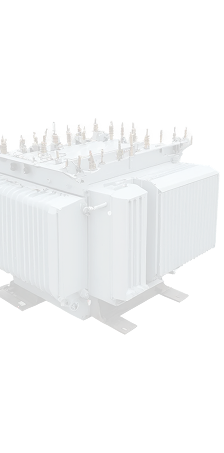
As California continues to lead the nation in renewable energy initiatives and infrastructure modernization, the need for safe and reliable electrical systems has never been more critical. Among the essential components of any power distribution network are transformers, and ensuring they are in optimal condition is not just good practice—it’s also regulated. For businesses and organizations operating in the Golden State, understanding the key regulations around Transformer Repair is essential to staying compliant and avoiding costly penalties.
In this article, we’ll explore California’s transformer repair regulations, licensing requirements, environmental guidelines, and how working with a reputable transformer company can ensure your business operates within legal and safety standards.
Why Transformer Repair Is Crucial in California
From Silicon Valley tech firms to agricultural operations in Central California, transformers play a pivotal role in supplying stable, high-voltage power. Due to extreme weather conditions, aging infrastructure, and high energy demands, transformers often need servicing or replacement. While some businesses may rush to buy used transformers, many also choose to extend the life of their existing units through certified repair and maintenance.
But in California, transformer repair isn’t simply a matter of swapping out damaged components—it’s governed by a strict regulatory framework.
Key Regulations Governing Transformer Repair in California
1. Certified Repair Facilities
California mandates that transformer repair be performed by certified professionals in approved facilities. These repair centers must adhere to Occupational Safety and Health Administration (OSHA) standards and meet California Environmental Protection Agency (CalEPA) requirements for handling hazardous materials such as transformer oil, which can contain PCBs (polychlorinated biphenyls).
Working with a trusted transformer company ensures your repair is done in a compliant facility, using industry best practices.
2. Hazardous Waste Management
Under California Code of Regulations (CCR) Title 22, used oil and dielectric fluids from transformers are classified as hazardous waste unless proven otherwise. Any repair activity that involves draining, filtering, or replacing oil must comply with strict disposal and storage guidelines.
Failure to comply can result in severe fines and penalties. Whether you are repairing or planning to buy used transformers, make sure the vendor or service provider has proper hazardous waste handling procedures in place.
3. Air Quality and Emissions Standards
If your transformer repair includes painting, cleaning, or welding, you may need to comply with air quality control rules enforced by local Air Quality Management Districts (AQMDs). These rules often regulate VOC (Volatile Organic Compound) emissions and other pollutants common in industrial repair operations.
A certified provider of transformer services will be familiar with these standards and equipped to carry out repairs without violating environmental laws.
4. Electrical Safety and Permitting
In California, major electrical repair projects—including transformer servicing—often require local permitting. This typically involves:
- Electrical permits from your local Building Department
- Inspections upon completion of the repair
- Compliance with California Electrical Code (CEC) regulations
Before choosing a transformer to buy or sending one for repair, it’s vital to check whether the work requires city or county permits.
How JJ Transformers Helps You Stay Compliant
Navigating California’s transformer regulations can be overwhelming without expert guidance. That’s where JJ Transformers comes in. As a leading transformer company with years of experience in transformer repair, refurbishment, and sales, we understand the nuances of state and federal compliance.
Our transformer services include:
- Diagnostic testing and failure analysis
- Core and coil rebuilding
- Oil filtration and PCB testing
- Load tap changer repair
- Environmental compliance documentation
Whether you’re seeking a top transformer for a new installation or looking to repair an existing unit, our team ensures everything is done by the book.
The Benefits of Repairing Over Replacing
While replacement may seem like the easiest route, repairing transformers can be more cost-effective and environmentally sustainable, especially when regulations are followed properly.
Here’s why many businesses in California opt for repair:
- Lower costs compared to purchasing new units
- Reduced environmental impact from manufacturing and shipping
- Minimal downtime for mission-critical infrastructure
- Improved lifespan with certified upgrades
Still, for some projects, it makes more sense to buy used transformers already tested and refurbished by trusted experts.
Finding the Right Unit: Used Transformers for Sale Near You
Need a backup transformer or planning for a system upgrade? JJ Transformers has a broad selection of used transformers for sale near me, offering high-performance solutions that meet California’s rigorous safety and efficiency standards. Each unit is tested, cleaned, and certified before being listed for resale.
Our team can also guide you in selecting the best transformer to buy based on your voltage requirements, environmental conditions, and regulatory obligations.
Conclusion
Repairing transformers in California involves more than technical expertise—it requires an understanding of a complex regulatory environment that covers safety, environmental impact, and operational compliance. By partnering with a knowledgeable transformer company like JJ Transformers, you can ensure that all repairs are done safely, efficiently, and in full compliance with California law.
Whether you’re in need of repair services, looking to buy used transformers, or searching for the top transformer for your next project, JJ Transformers is your trusted partner in power.